




Fabric Energy Efficiency Standard FEES

The Fabric Energy Efficiency Standard (FEES) was first introduced as part of the 2016 strategy for zero carbon homes. It was developed by a Task Group set up in 2009 with the Zero Carbon Hub as one of its primary participants. Its initial methodology (referred to as Fabric Energy Efficiency or FEE) was incorporated as part of the November 2010 Code for Sustainable Homes.
This standard has been proposed as the top level of energy demand for space heating and cooling into the fabric of all new dwellings. Several factors can have an impact on this amount, including:
- Air permeability.
- Building fabric U-values.
- Thermal bridging and mass.
- External solar heat gain.
- Internal heat gains (including metabolic activity or other sources generated as a result of services in the dwelling.
Under FEES, dwellings include apartment blocks, mid-terrace, end terrace, semi-detached and detached homes. Minimum FEES for dwellings are:
- 39 kWh/m2/year for apartments and mid-terraced houses.
- 46 kWh/m2/year for end terrace, semi-detached and detached houses.
Under the current Part L 2013, the Fabric Energy Efficiency Standard (FEES) metric sets the benchmark for a building through its ‘notional building’ and minimum u-values for fabric standards.
The proposed Part L 2020 sets out new and improved minimum fabric standards, but the use of the FEES target has been removed.
For more information see: Home design prospects under the Future Homes Standard.
[edit] Related articles on Designing Buildings Wiki
Featured articles
Check out some of the best features and news from Designing Buildings as well as key stories from around the web.
ECA responds to the Milburn Report

Youth employment to be linked to workforce demand.
The construction industry urgently needs to attract new talent
CIOB responds to Neets report.
Grenfell Tower community update

Memorial columns to be retained as careful dismantling continues.
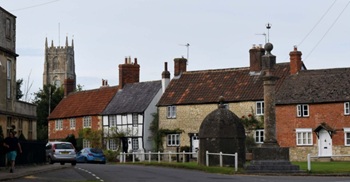
When buildings reflected the local resources available.

CIOB reports 57% are using artificial intelligence technologies.
More of England’s ‘hidden heroes’ will be celebrated.

CIAT calls for retrofit to be a priority.
Version 6 is now available, along with guidance for ECA members.
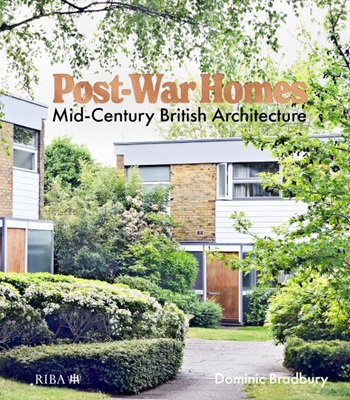
Post-War Homes: mid-century British architecture. Book review.

CIAT reflects on the party conferences.

CIOB announce the winners of the Art of Building photography competition.

National Scheme of Delegation introduced.
Comments
https://assets.publishing.service.gov.uk/government/uploads/system/uploads/attachment_data/file/956094/Government_response_to_Future_Homes_Standard_consultation.pdf